Everest Base Camp Trek Nepal | Sole Encounters Adventures
The Everest Base Camp Trek is one of the most iconic trekking journeys in the world, taking you deep into Nepal’s Khumbu region, an area shaped by towering Himalayan peaks, ancient trade routes, and rich Sherpa culture. This classic high-altitude trek offers a balanced combination of dramatic scenery, cultural immersion, and personal challenge, making it suitable for trekkers with good fitness and a sense of adventure.
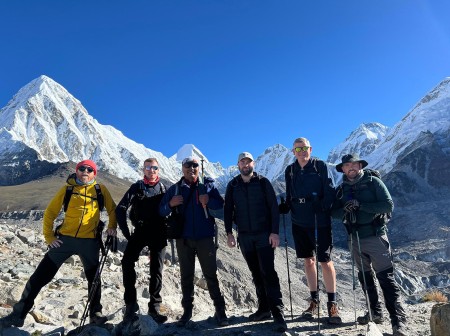
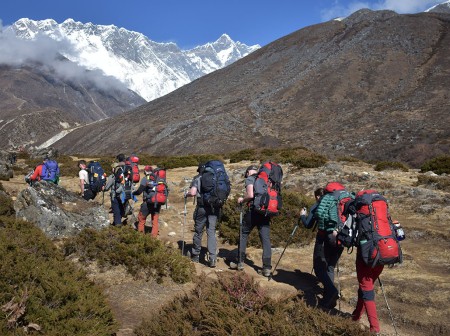
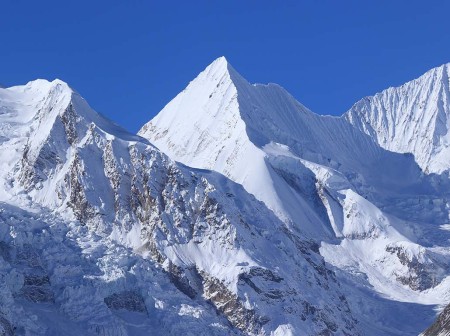
The trail lies within Sagarmatha National Park, a UNESCO World Heritage Site known for its rugged landscapes, alpine forests, glacial valleys, and rare wildlife. Along the route, trekkers are surrounded by some of the world’s highest mountains, including Mount Everest, Lhotse, Nuptse, Ama Dablam, and Pumori, creating a constantly changing and inspiring backdrop.
The journey begins in Kathmandu, where trekkers can explore important cultural and religious landmarks before flying to Lukla, the gateway to the Everest region. From Lukla, the trail follows historic trade and pilgrimage routes through traditional Sherpa villages, suspension bridges, and river valleys, gradually ascending toward Everest Base Camp.
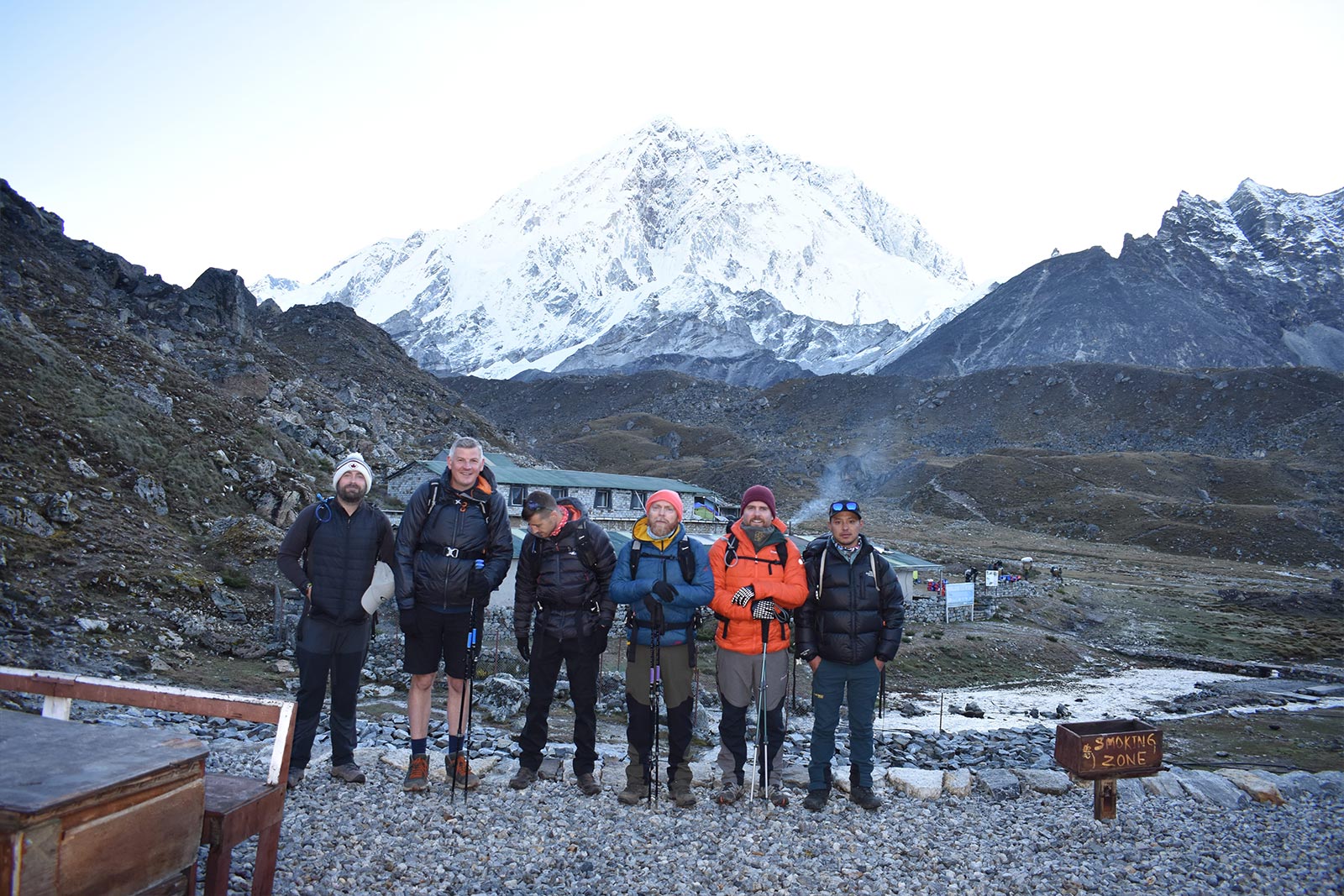
A major highlight of the trek is reaching Everest Base Camp (5,364m), where climbers prepare for expeditions to the world’s highest mountain. Nearby, the Khumbu Glacier and Icefall reveal the raw power of the Himalayas. Another unforgettable moment is the climb to Kala Patthar (5,545m), widely regarded as the best viewpoint for close and panoramic views of Everest’s south face, especially at sunrise.
The trek is typically completed in around 14 to 15 days, including acclimatization days in Namche Bazaar and Dingboche. Daily walks range from 5 to 7 hours, covering approximately 10 to 15 kilometers. Accommodation is in traditional teahouses, offering simple comfort, warm hospitality, and direct support to the local Sherpa economy.
More than a physical journey, the Everest Base Camp Trek is a cultural and spiritual experience shaped by Buddhist traditions, monasteries, prayer flags, and the enduring legacy of early mountaineers such as Sir Edmund Hillary and Tenzing Norgay Sherpa. It remains a life-defining adventure for trekkers seeking both natural beauty and meaningful connection with the Himalayas.
Best Time to Trek Everest Base Camp
The best seasons for the Everest Base Camp Trek are:
➡️Spring (March to May): Clear skies, moderate temperatures, and blooming rhododendron forests
➡️Autumn ( Late September to Early December): Stable weather, excellent visibility, and ideal trekking conditions
Winter brings heavy snowfall and extreme cold at higher elevations, while the monsoon season offers limited visibility and slippery trails.
Everest Base Camp Trek Difficulty
The Everest Base Camp Trek is considered moderately challenging due to altitude rather than technical difficulty. No climbing skills are required, but proper acclimatization, a steady walking pace, and good physical preparation are essential. Trekkers should be comfortable walking several hours per day at high altitude.
Highlights of the Everest Base Camp Trek
➡️ Trek through Sagarmatha National Park, a UNESCO World Heritage Site
➡️ Reach Everest Base Camp at 5,364 meters
➡️ Sunrise hike to Kala Patthar for the best views of Mount Everest
➡️ Walk among iconic Himalayan peaks including Everest, Lhotse, Nuptse, Ama Dablam, and Pumori
➡️ Experience Sherpa culture in villages such as Namche Bazaar
➡️ Visit Tengboche Monastery, the spiritual heart of the Khumbu
➡️ Enjoy scenic flights to and from Lukla
➡️ Stay in traditional teahouses and support local mountain communities
➡️ Walk historic routes used by early mountaineers and traders
➡️ Experience landscapes ranging from forests to glaciers
Frequently Asked Questions About Everest Base Camp Trek
Is Everest Base Camp Trek suitable for beginners?
Yes. The trek is suitable for beginners with good fitness. No technical climbing experience is required, but proper acclimatization and steady pacing are important.
How fit do I need to be for Everest Base Camp Trek?
You should be comfortable walking 5 to 7 hours per day on mountain trails. Prior hiking experience is helpful but not mandatory.
What is the highest altitude reached on the trek?
The highest point is Kala Patthar at 5,545 meters.
Is altitude sickness a concern?
Altitude sickness is possible, but the risk is reduced with proper acclimatization days, gradual ascent, and experienced guide support.
Do I need travel insurance?
Yes. Travel insurance covering high-altitude trekking and emergency evacuation is required.
Why Trek Everest Base Camp With Sole Encounters Adventures
➡️Licensed Nepal-based trekking company with local expertise
➡️Experienced Sherpa guides trained in high-altitude safety
➡️Well-paced itineraries with proper acclimatization
➡️Ethical treatment of guides and porters
➡️Clear communication and personalized trip planning
➡️Strong focus on safety, culture, and responsible trekking
Plan Your Everest Base Camp Trek
To help us design the safest and most enjoyable Everest Base Camp Trek for you, please share the following details when you contact us:
➡️Preferred trekking dates
➡️Number of trekkers
➡️Private or small group preference
➡️Fitness level and any health considerations
➡️Arrival and departure dates in Nepal
➡️Special requests such as extra acclimatization or helicopter options
Sharing this information allows our local team to prepare a well-paced itinerary, provide clear pricing, and ensure smooth trip preparation.
Website: www.soleencounterstrek.com
Email: info@soleencounterstrek.com
WhatsApp: +977 9808979061
Your journey to Everest Base Camp begins with trusted local experts in Nepal.
Sole Encounters Foundations: Creating Real Impact with Every Trip
We commit 5 percent to 10 percent of our profits to meaningful community projects that support local communities and long-term development.
Every journey you take with us helps build stronger communities and lasting change in Nepal.
👉 Click here to find out more